Peter Weiss (1916 - 1982) was a celebrated German/Swedish author and playwright, known especially for his stage play "Marat/Sade". His literary fame overshadowed his work as a surrealist painter and avant-garde filmmaker.
Surface reality is made to yield suggestive images which become as firm, as certain, and as tantalising as the object itself. The solidity of the image – hallucinations, dreams, madmen's ravings – later became a recurrent feature of Weiss' work. In his surrealistic 1953 film, 'Hallucinations', Weiss played an intricate visual game on the interchangeability of image and reality.
This short film collection includes thirteen of Peter Weiss' films and a booklet containing an interview with Weiss by Gunilla Palmstierna-Weiss and texts by Jon Wengström, Martin Grennberger, and Stefan Ramstedt.
Featured titles:
– 'Studie I: Uppvaknandet' (Study I: The Awakening), 1952, 6 min.
– 'Studie II: Hallucinationer' (Study II: Hallucinations), 1952, 5 min.
– 'Studie III' (Study III), 1953, 5 min.
– 'Studie IV: Frigörelse' (Study IV: Relief), 1954, 8 min.
– 'Studie V: Växelspel' (Study V: Interplay), 1955, 8 min.
– 'Ansikten i skugga' (Faces in Shadow), 1956, 13 min.
– 'Ateljéinteriör (The Studio of Dr. Faust)', 1956, 9 min.
– 'Ingenting ovanligt' (Nothing Unusual), 1957, 9 min.
– 'Enligt lag' (According to Law), 1957, 18 min.
– 'Vad ska vi göra nu då' (What Shall We Do Now), 1958, 20 min.
– 'Tagning narkomaner', 1960, 6 min.
– 'Anna Casparsson', 1960, 13 min.
– 'Tagning Öyvind Fahlström', 1961, 12 min.
This DVD was made in collaboration with Filmform and RE:VOIR. All films included in this edition were digitised by the Swedish Film Institute between 2015 and 2020. The restoration of some of the films was done by Tomas Ehrnborg Medieproduktion in collaboration with Filmtech.
Note: The films include English and French subtitles and the booklet contains texts in both English and French.
+46 (0)8-651 84 26
info@filmform.com
Newsletter
MORE
HIDE
Peter Weiss Short Film Collection
Booklet: Peter Weiss Short Film Collection
IN SWEDISH
Platser, samlingar, namn: Malin Pettersson Öberg
Platser Samlingar Namn
Platser Samlingar Namn (Places Collections Names) was published on the occasion of the exhibition "Platser Samlingar Namn" at Dalarnas museum in 2013, with the support of Längmanska kulturfonden and Dalarnas museum. The book is designed by Kajsa Pontén (assisting: Amy Ontiveros) as a publication on the border between a catalogue and an artist book, containing documentation as well as research-related material. Among the texts we find "Att förlänga blicken" ("To extend the gaze") by Camilla Larsson, writer and curator at Bonniers Konsthall in Stockholm, "Det öppna rummet" ("The Open Room") by Karl Steinick, culture journalist and contributor to Svenska Dagbladet, and "Tre samtal" ("Three Conversations") by independent curator and PhD student Elina Suoyrjö.
A series of seven art works – installations, printed matter and films shown in the exhibition – are presented in the book. The art works, and accompanying essays, raise questions about how we define and relate to places; how identity is constructed, and how travels or displacements can open up new ways of understanding our surrounding world. It allows us to reflect on the museum and its history of collecting, and on how vision has always been conditioned by knowledge situated in a specific time. With her background in Falun, Malin Pettersson Öberg has explored the region of Dalarna and the museum’s collections as a point of departure for some of the works, while others describe remote places and cultures. In this way an anthropological theme is woven, reflecting on and comparing several different places, identities and cultures.
Note: This book contains text in Swedish and some small quotes in English.
IN SWEDISH
Händelsehorisont || Event Horizon: Cecilia Grönberg, Distribuerad Fotografi
Händelsehorisont - Event Horizon
EN: Photography as a technology has undergone a series of transformative changes in recent decades – changes that have entailed distinct renegotiations of photography’s functions as image, information, inscription, or transmission. Within the framework of this larger transformation, this dissertation in photographic representation insists on probing the continuing effects of analogue photographs within digital ecologies. The event horizon is used as an image and a concept, as a projection surface, and as an interface that makes it possible to reflect on the different ways in which we encounter and interact with photographic images in contexts of digital production, publication, and circulation.
Digital photography is distributed. In its investigation of the visual and artistic implications of a wide-reaching situation, 'Event Horizon' takes help, among other things, from the octopus. This ‘soft intelligence’ becomes a starting point for an eight-armed image and text essay that tentatively follows the complex tentacular manifestations of mollusks through history and literature as life forms and media systems.
'Event Horizon' is primarily a photographed book, but the photographic practice does not end with the individual image. It also takes place in montage between images, texts, documents, and contexts. In this sense, 'Event Horizon' is a book that generates a multitude of constellations for reading, while at the same time giving rise to specific gravitational fields where circulating or floating images can be captured with other images, creating new densities and energy fields. This gravitational field consists of a longer essay that studies forms of montage-based ‘visual historiography’, for example.
'Event Horizon' locates itself between different images, systems, technologies, readings, people, animals, and software. In this movement, it dwells on surfaces and spaces that can offer openings for currently undefined future forms of photographic existences.
Note: This book contains text in both English and Swedish.
Carousell: Felice Hapetzeder, Kristina Kvalvik, Marit Lindberg, Henrik Lund Jørgensen
Carousell
Carousell is composed of the artists Felice Hapetzeder, Kristina Kvalvik, Marit Lindberg and Henrik Lund Jørgensen, all of whom have worked extensively in video art. The project was set in motion in 2012, when they started talking about the amount of never-used footage that they all had. They discussed the reasons why the footage had run untouched on their hard drives instead of being developed further in an artistic process. Was the material overly emotional, or so personal that it wouldn't work in the visual arts? Was it too vague, or did it lack a clear concept? Thus emerged the idea to do something with these stranded films.
They decided to edit one another's filmed and unused material. All four donated some unedited footage, and it was up to fate who started editing what. The material varies in length; it can be anywhere from thirty minutes to two hours, depending on what each artist chose to contribute to the project.
Through discussions, they set down rules for the project and determined that the same material should be used for all of the new edits. Each artist may add or subtract as much as they want, but the source material to be edited is always the same.
IN SWEDISH
Passager: Claes Söderquist
SE: Denna katalog medföljde visningen Passager 2013 på Konstakademien i Stockholm.
Med stor nyfikenhet har Söderquist, sedan 1960-talet, porträtterat människan, landskapet och staden. Bildkonsten och musiken är två andra viktiga inspirationskällor. I hans verk möter vi bland annat välkända konstnärer från det sena 60-talet och historiska personer.
Redaktör: Sofia Bertilsson
IN SWEDISH
Walden: Tidskrift för filmkritik (Film Criticism Magazine)
Walden 1/2
SE: Magasinet Walden är en filmtidskrift som utkommer två gånger om året. Tidskriften grundades 2012, och var fram till och med 2015 en nätbaserad tidskrift. Vid sidan av publiceringen av tidskriften arbetar Walden dessutom aktivt med att visa film.
Tillgängliga nummer:
1/2: Peter Nestler
3/4: Anne Charlotte Robertson, Elke Marhöfer, Peter Weiss, Susana de Sousa Dias, Harun Farocki, Bani Khoshnoudi, Peter Gidal
5/6: Thom Anderson, Petra Bauer, Julie Dash, Patrick Keiller, Laida Lertxundi, Werner Nekes, Solveig Nordlund, Yvonne Rainer, Nicolas Rey, Jean Rouch, Alberto Seixas Santos
7/8: Abounaddara, Giorgio Agamben, Filipa César, Danièle Huillet & Jean-Marie Straub, Marta Mateus
9/10: Ephraim Asili, Nazli Dinçel, Lena Ewert, Mani Kaul, Maria Klonaris & Katerina Thomadaki, Jacques Rancière, Hito Steyerl
11/12: Morgan Fisher, Charlotte Pryce, Jonathan Schwartz, Deborah Stratman, Sami van Ingen
15/16: Barbara Hammer, Jan Lindqvist, Deimantas Narkevičius, Jaan Tooming
Peter Nestler: Poetischer Provokateur (Poetic Provocateur) | Films 1962-2009
Peter Nestler: Poetic Provocateur
EN : This edition is the first to present a selection of Peter Nestler's works on DVD, arranged according to themes such as poetics, fascism, memory, nature, and culture. A detailed introduction by film journalist and historian Kay Hoffmann is included.
Note: This DVD contains the German versions of the films, with the exception of Pachamama (1995), which also has Spanish and Swedish versions.
Contents
DVD 1: Frühe Poetik (Early Poetics)
Am Siel (1962), Aufsätze (1963), Mülheim (Ruhr) (1964), Ödenwaldstetten (1964), Ein
Arbeiterclub in Sheffield (1965), Von Griechenland (1965), Rheinstrom (1965) Bonus film: Die Hasen fangen und braten den Jäger (1994)
DVD 2: Verfolgte und Verfolger (Persecuted and Persecutors)
Zigeuner sein (1970), Die Verwandlung des guten Nachbarn (2001/2002), Tod und Teufel (2009)
DVD 3: Geschichte und Erinnerung (History and Memory)
Die Judengasse (1988), Die Römerstraße im Aostatal (1999), Verteidigung der Zeit (2007) Bonus film: PDF-Dokumente im Rom-Teil
DVD 4: Natur und Kultur (Nature and Culture)
Die Nordkalotte (1991), Pachamama - unsere Erde (1995)
DVD 5: Ungarische Impressionen (Hungarian Impressions)
Die Donau rauf (1970), Zeit (1992), Mit der Musik groß werden (2003)
Bonus film: Dokumentarisch Arbeiten, Christoph Hübner in conversation with Peter Nestler (1994)
Olga Neuwirth: Music for Films
A comprehensive 2 DVD set of music and films by Olga Neuwirth (b.1968).
The moving picture and all its artistic possibilities are dominant in Olga Neuwirth's work, who has worked in films as a composer, animator, writer and director. These DVDs give insight into her projects from 1991 to today, exploring a broad variety of work from animated films to the music project "Long Rain". Included in the first DVD is Neuwirth's music for Symphonie Diagonale (Diagonalsymfonin,1924) by Viking Eggeling, which is distributed by Filmform.
Postcards: Gunvor Nelson
Example postcards
16 different motifs with still images from Gunvor Nelson's films, including:
KRISTINA'S HARBOR (1993)
NATURAL FEATURES (1990)
BEFORE NEED REDRESSED (1994)
LIGHT YEARS (1987)
MY NAME IS OONA (1969)
LIGHT YEARS EXPANDING (1988)
TAKE OFF (1972)
TRUE TO LIFE (2006)
OLD DIGS (1993)
RED SHIFT (1984)
NEW EVIDENCE (2006)
IN SWEDISH
Alltintill = near: Gunvor Nelson
alltintill = near
SE: En katalog för Gunvor Nelsons utställning på Kristinehamn Konstmuseum, innehållande texter av Sue Anne Moody, John Sundholm, Astrid Söderbergh Widding, Lynne Sachs och Janis Crystal Lipzin, redigerad av Staffan Jofjell.
Money
Money
"Money" was an art exhibition by Jan Steen, Karin Hansson, and Nils Claesson in 2002. The exhibition was focused on questions about money: What is it? What does this symbol of trade and power consist of?
"Money" took place at The Culture Center with participants from Russia, Scandinavia, and the Baltic States, including Jan Steen, Bengt Nordenberg, Leonardo da Vinci, Dimitry Troitsky & Olga Stolpovskaya, Felix Gmelin, Dorinel Marc, Oleg Mavromatti, Jörgen Svensson, Elin Wikström, Nils Claesson, Henrik Plenge Jacobsen, Nomeda & Gedeminas Urbonas, Karin Hansson, Artur Klinov, Galina Moskaleva, Mare Tralla, Andrej Gagarin, Gunilla Klingberg, and Åke Karlung.
The Black Curve: Rut Hillarp
Black Curve
The story of a love affair. Through the radical representation of sexual fantasy, desire, and the foundations of love, Rut Hillarp explores romantic love in a man’s world. The English translation was done by Saskia Vogel.
IN SWEDISH
Texter som ingen läser – om skrivande på konstnärliga högskolor (Texts that No One Reads – on Writing at Art Schools): Nils Claesson
Texter som ingen läser
SE: Har Sverige drabbats av en överdriven akademisering? Till och med barn i grundskolan fås att skriva i ämnen som teoretisk gymnastik och slöjd. En syn på kunskap som gynnar de som är duktiga på att skriva men inte på att sparka boll eller slöjda med händerna. I högre konstnärliga utbildningar ökar kraven på att unga blivande konstnärer ska utrycka sig i text. Hur hanterar konsthögskolorna kraven på en akademisering av en lärandepraktik som bygger på handledning, experiment och produktion? Finns det metoder för att bli vän med text och skrivande? Varför inte skriva för att bli läst? Måste textarbete vara ett konstens tandläkarbesök? Nils Claesson fick i uppdrag att undersöka hur undervisningen i skrivande och teori såg ut på högre konstnärliga utbildningar i Sverige. Utbildningar som också är forskningsförberedande för den som vill. Resultatet blev en rapport med förslag till Institutionen för film och media vid Stockholms konstnärliga högskola.
Early Readings: Martina Hoogland Ivanow
Early Reading
'Early Readings' is based on a non-linear documentation of social structures and their different approaches to trust and fear.
The book has a fragmentary structure, based on shifts in perception through more or less abstract elements in relation to parts of the film 'Interbeing' and documentation of the preparations ahead of demonstrations on May 1, 2016 to 2018 in central Stockholm. The material is presented through a thermal camera, whose optics do not register what is visible to the eye, but render shades of temperature, a perspective granting all living beings the same conditions of representation. The camera also makes a heat shadow visible during and after physical touch.
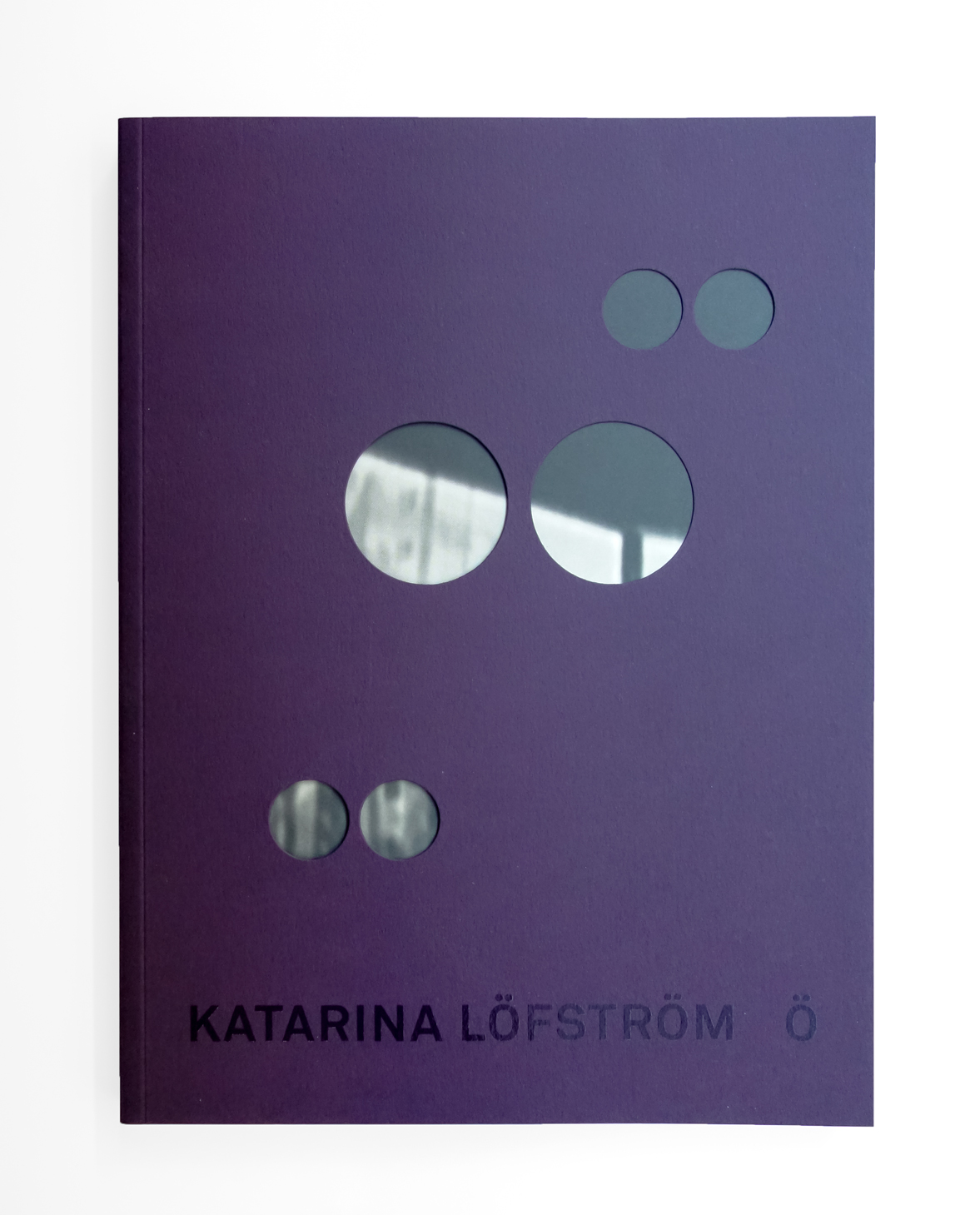
KATARINA LÖFSTRÖM : Ö
Katarina Löfström: Ö
Light, perception, and interpretation is a recurring theme in Katarina Löfström’s videos, three-dimensional works, and installations, with many examples featured in this extensive monograph. In her body of work, she examines visual art’s inherent ability to break loose from traditional behavioural patterns and rational thinking, creating meaning without the use of language or text. The result often imparts a calmness that barely obscures the immobilised curiosity, brooding desires, and traumas beneath the surface. Dots and circles are recurring figures in her work, indicative of blurring, a shift or alteration of focus, and the displacement of our visual world.
This book includes texts by Jörg Heiser, Stefanie Hessler, and Filipa Ramos and has been designed by Sandra Praun.
IN SWEDISH
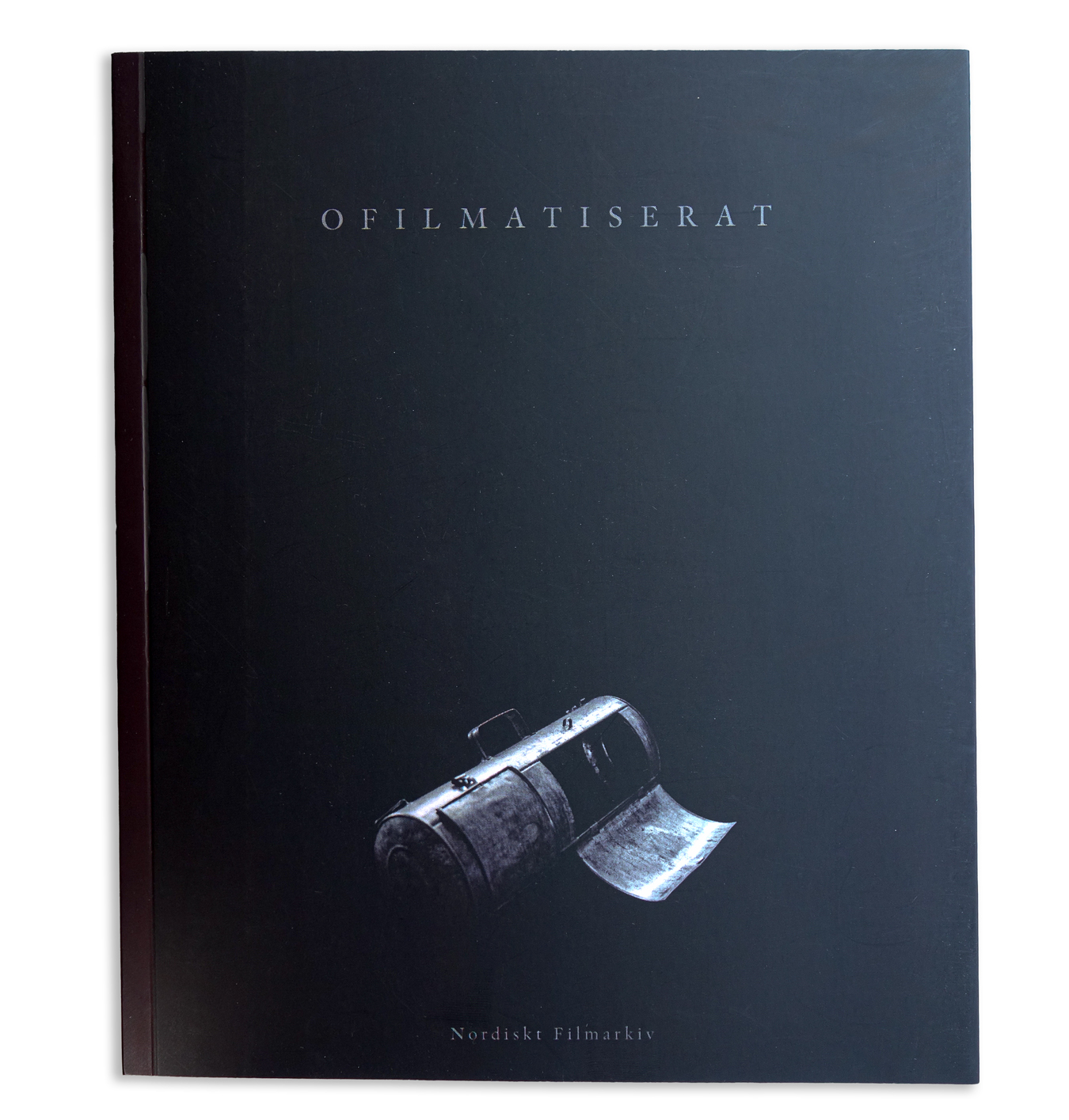
Ofilmatiserat (Unfilmed): Marianne Strand
Ofilmatiserat
SE: En film är en berättelse visualiserad genom rörlig bild och ljud. Men vad är en filmberättelse som aldrig filmatiseras? Runtomkring i världen ligger de, i lådor, staplar, pärmar och kartonger, i väskor, lönnfack, på vindar och i källare; prydliga, tummade, nedklottrade, fläckade, vitsläta eller skrynklade – oräkneliga filmmanuskript, berättelser utfunderade in i minsta detalj och som under långa perioder uppfyllt en människa, men som aldrig nått eller någonsin kommer att nå läsare eller publik. Tillsammans utgör dessa berättelser en omätlig, osynlig gravgård.
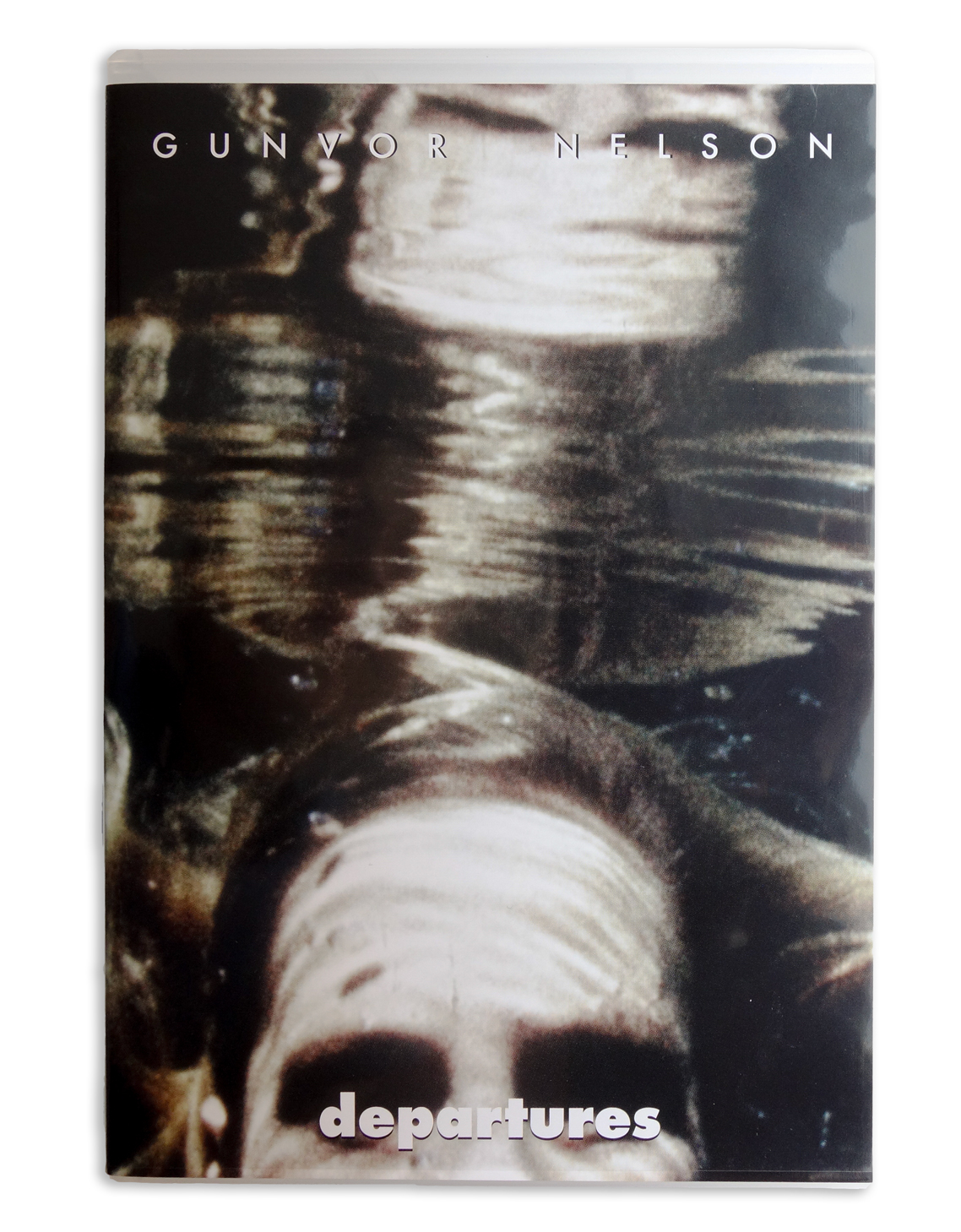
Departures: Gunvor Nelson
This DVD features four films by Gunvor Nelson, including:
SCHMEERGUNTZ, 1965, 15 min.
MY NAME IS OONA, 1969, 10 min.
TAKE OFF, 1972, 10 min.
MOONS POOL, 1973, 15 min.
IN SWEDISH
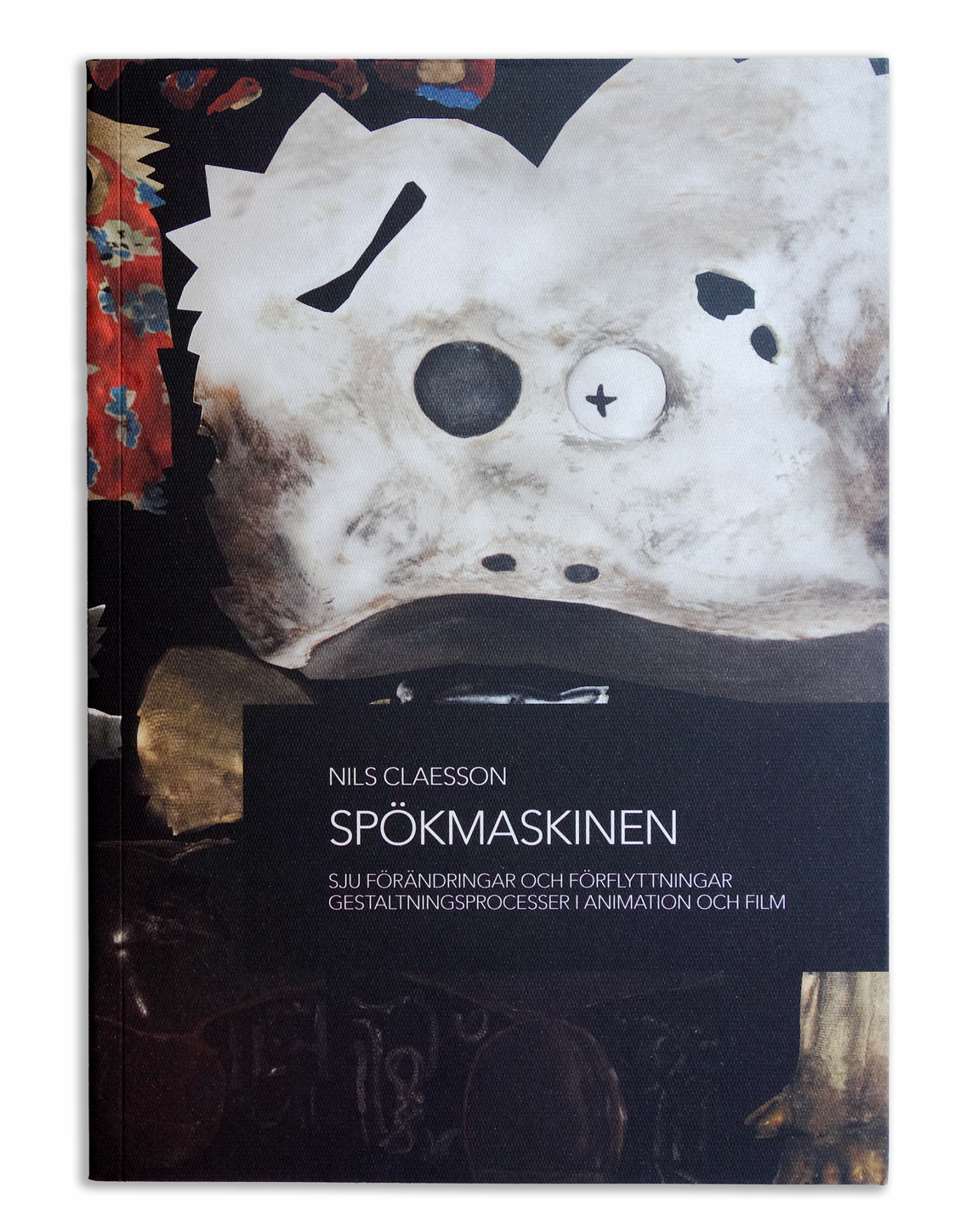
Spökmaskinen: sju förändringar och förflyttningar, gestaltningsprocesser i animation och film (The Ghost Machine: Seven Changes and Movements, Design Processes in Animation and Film): Nils Claesson
Spökmaskinen
SE: När ett verk är färdigt kan konstnären se det utifrån men gör det med erfarenhet av resan inifrån. Konstnären ser på sin egen konst som den bibliske profeten Jona ser på valen. Nils Claesson använder en konst som är skrivandets för att reflektera över film och andra konstformer som han utövar, sett ur ett perspektiv inifrån utifrån konstnärens perspektiv antingen på väg in i valens gap, eller under uppslukandets ångest, eller i valens mörka buk eller i frälsningens ögonblick befriad ur magen. Spökmaskinen, ett doktorsarbete vid Stockholms konstnärliga högskola, är ett resultat av riskskrivande där en brottyta uppstår i glappet mellan å ena sidan text och å andra sidan det verk som texten tar sin utgångspunkt i och reflekterar över. Brottytan skapar en dubbelbild där både textens vindlingar och verkets olika lager kan följas ungefär på samma sätt som en geolog studerar olika sediment. Det finns likheter i tilltal och berättande i avhandlingstexten med författarens dokumentärroman Blåbärsmaskinen som kom ut 2009. Det är avsiktligt.
IN SWEDISH
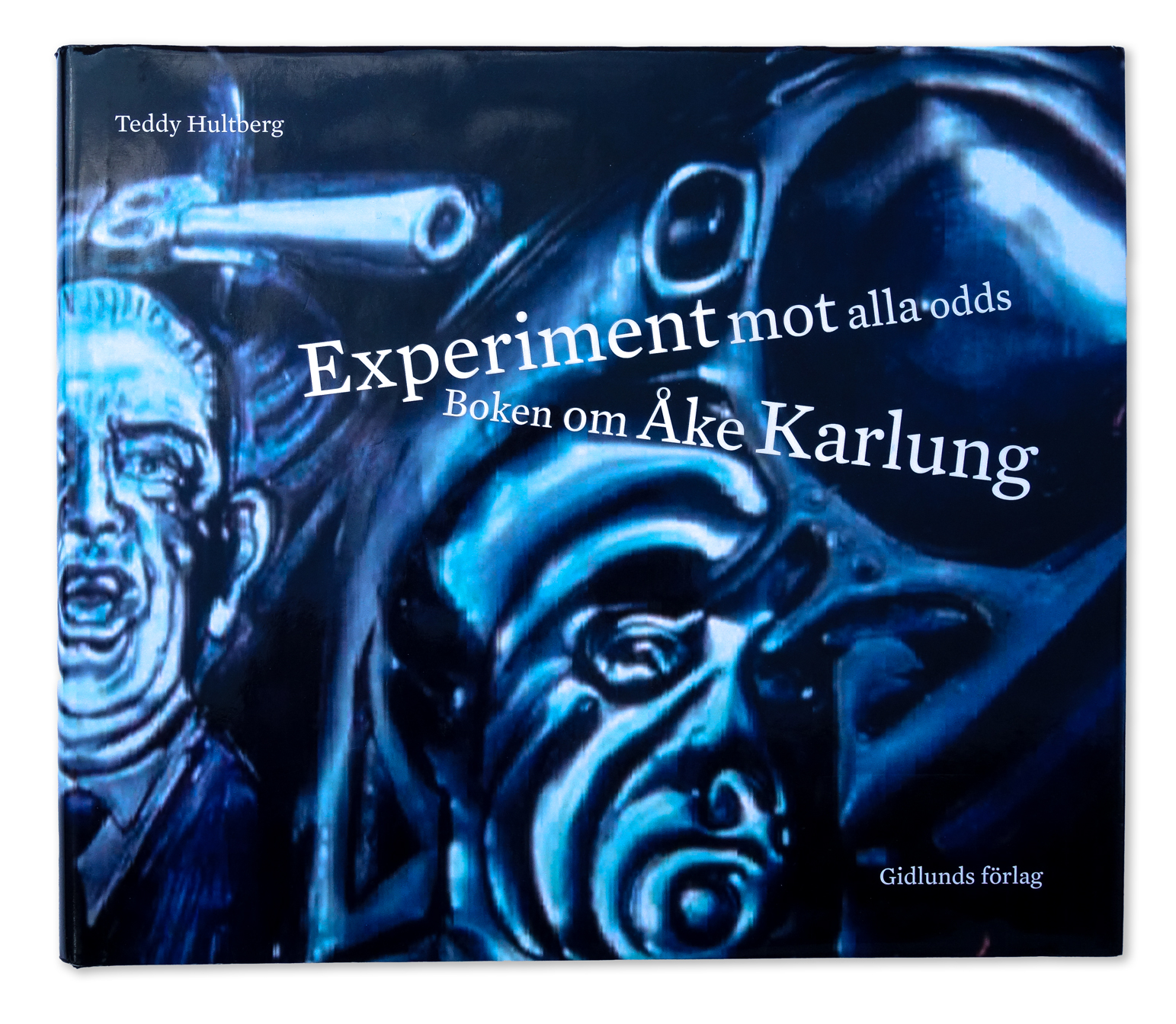
Experiment mot alla odds (Experiment Against All Odds): Teddy Hultberg
Experiment mot alla odds
SE: Monografi om Åke Karlung
Experiment mot alla odds beskriver filmaren och gränsöverskridaren Åke Karlungs (1930-90) konstnärliga verksamhet under ett halvt decennium. Vi får följa en bana som ingen annans inom den öppna konstens labyrinter, och läsaren får möta en ny röst från marker vi trodde var genomtraskade många gånger om. Karlung var nyskapande inom animerad experimentfilm åren 1960-1972.
Tio av hans främsta filmer är nu restaurerade till HD-kvalitet och ingår på bokens Blu-ray-skiva. Åke Karlung experimenterade under hela sitt liv med ljud, såväl till sina filmer som till egna text ljudkompositioner. Bokens CD innehåller ett antal ljudverk aldrig tidigare utgivna på fonogram.
Karlung låg i frontlinjen vad gäller elektronisk ljudbearbetning och experimentell filmkonst; han var aktiv inom flertalet spjutspetsorganisationer som arbetade med konst & teknologi på 60-talet. Hans gränsöverskridande konstutövning sträcker sig från bildkonst över rörliga filmbilder till mysteriespel och installationer. Det här gör att Teddy Hultbergs närstudie av Karlungs konstutövning även ger oss ett nytt perspektiv, och en kritisk blick, på det öppna och djärva 60-talets konst, i ett klimat där Karlung ofta hade en vidare kulturell utblick än flertalet av sina kamrater i de kretsar han verkade. Hans konst förbinder en radikal kritik av förtryckande maktsfärer och inskränkta ideologier med en öppenhet gentemot österländsk filosofisk tradition.
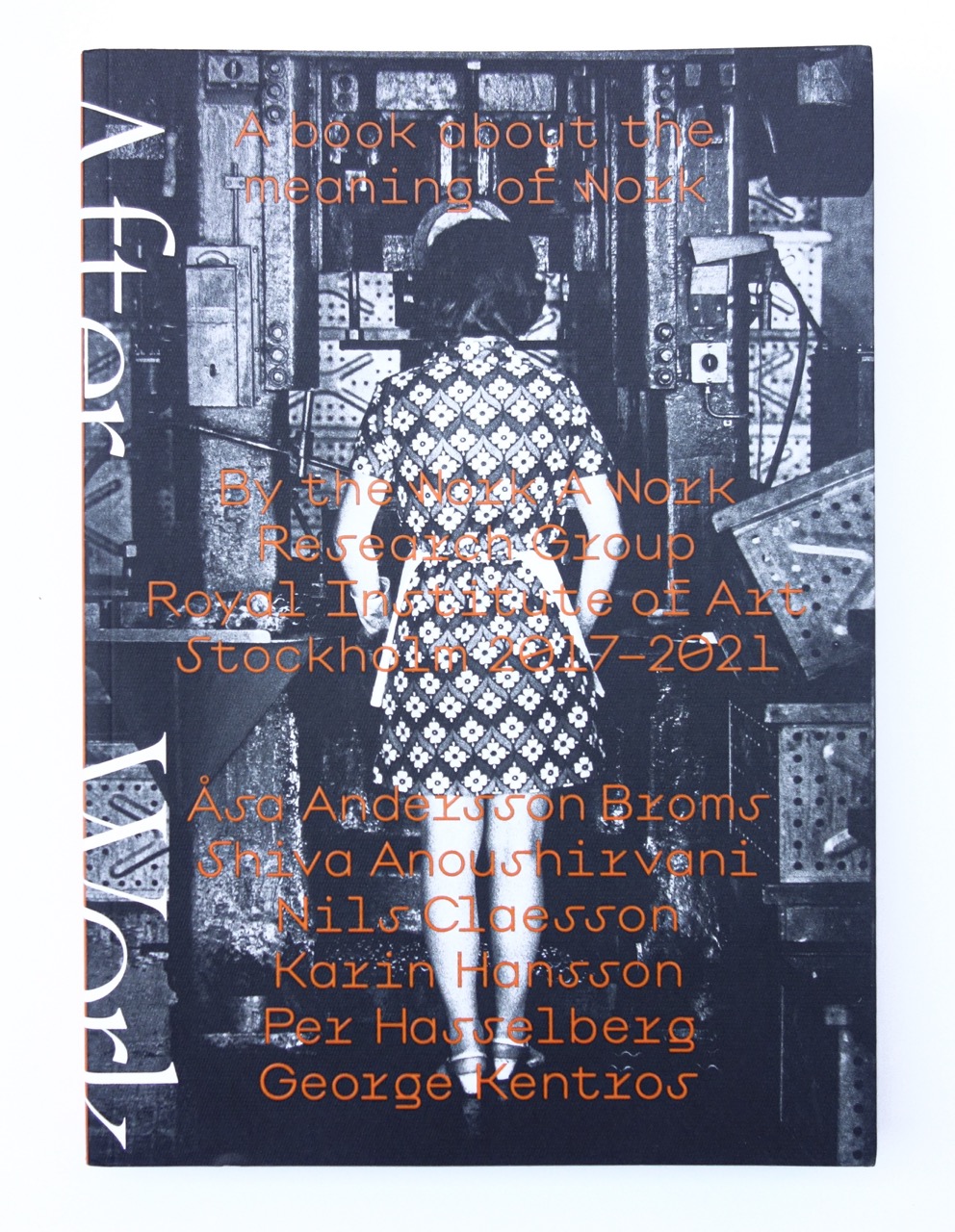
After work: a book about the meaning of work: Åsa Andersson Broms, Shiva Anoushirvani, Nils Claesson, Karin Hansson, and Per Hasselberg
After Work: A Book About the Meaning of Work
'After Work' is an interdisciplinary research study using Arts to understand the world of Work. The gig economy is forcing a non-unionized workforce to sell their labor for low wages. Social media and new forms of publishing texts, images, and films make artistic products distributed for nothing in an economy dominated by likes and ruled by algorithms monitoring our desire. The traditional role of the freelancing cultural worker is merging with a desperate international workforce forced to sell their labor for nothing.
IN SWEDISH
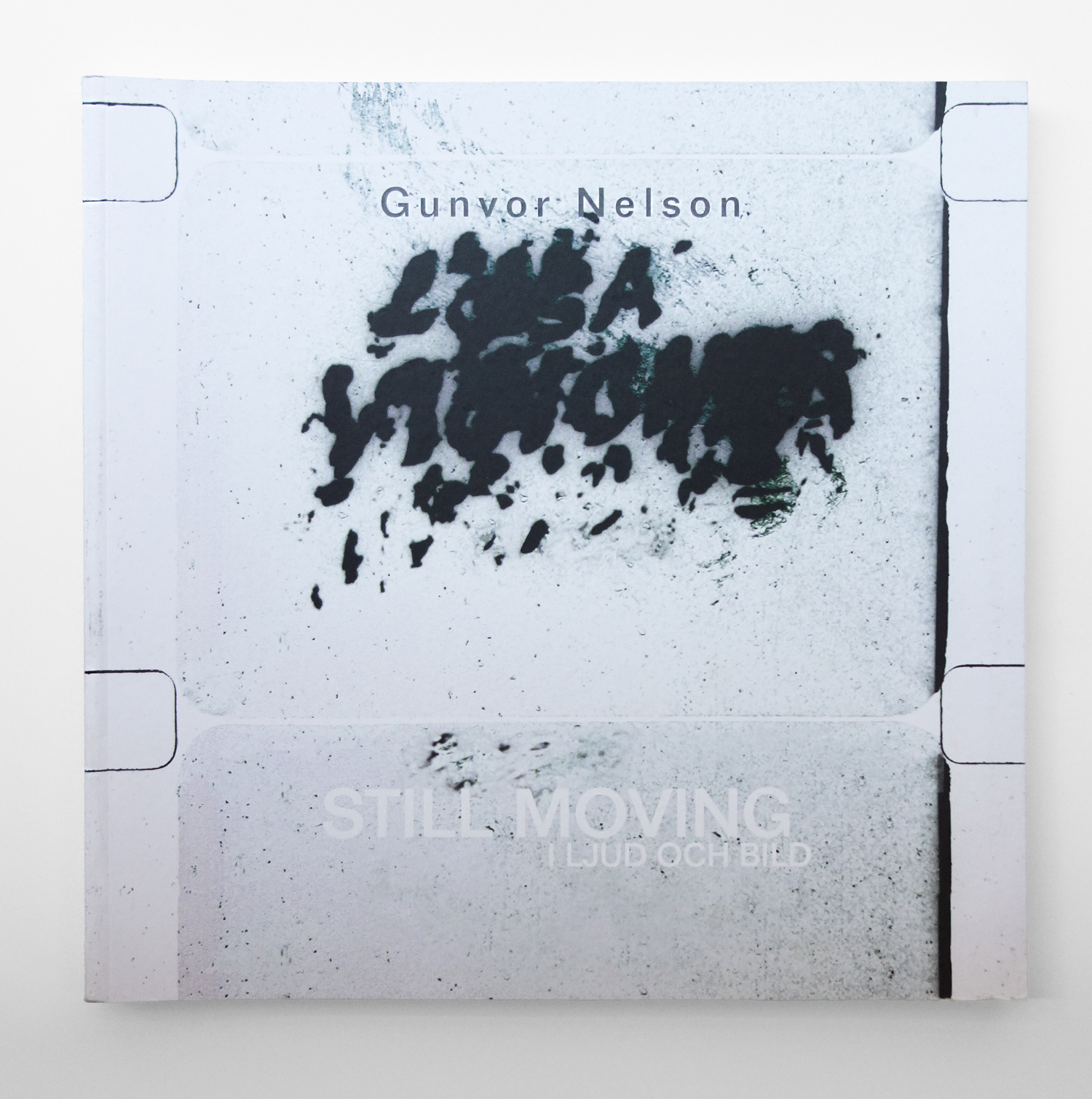
Still moving: Gunvor Nelson
Still Moving: Gunvor Nelson
EN: Gunvor Nelson is one of the most important female filmmakers in the avant-garde tradition, and the preface of this book describes her films as "tangible, material dreams". This richly illustrated edition includes a history of Nelson's films by Steve Anker, the director of the San Francisco Cinematheque, and an interview with Nelson by film critic Anders Pettersson.
Note: This book has both English and Swedish versions of the texts.
IN SWEDISH
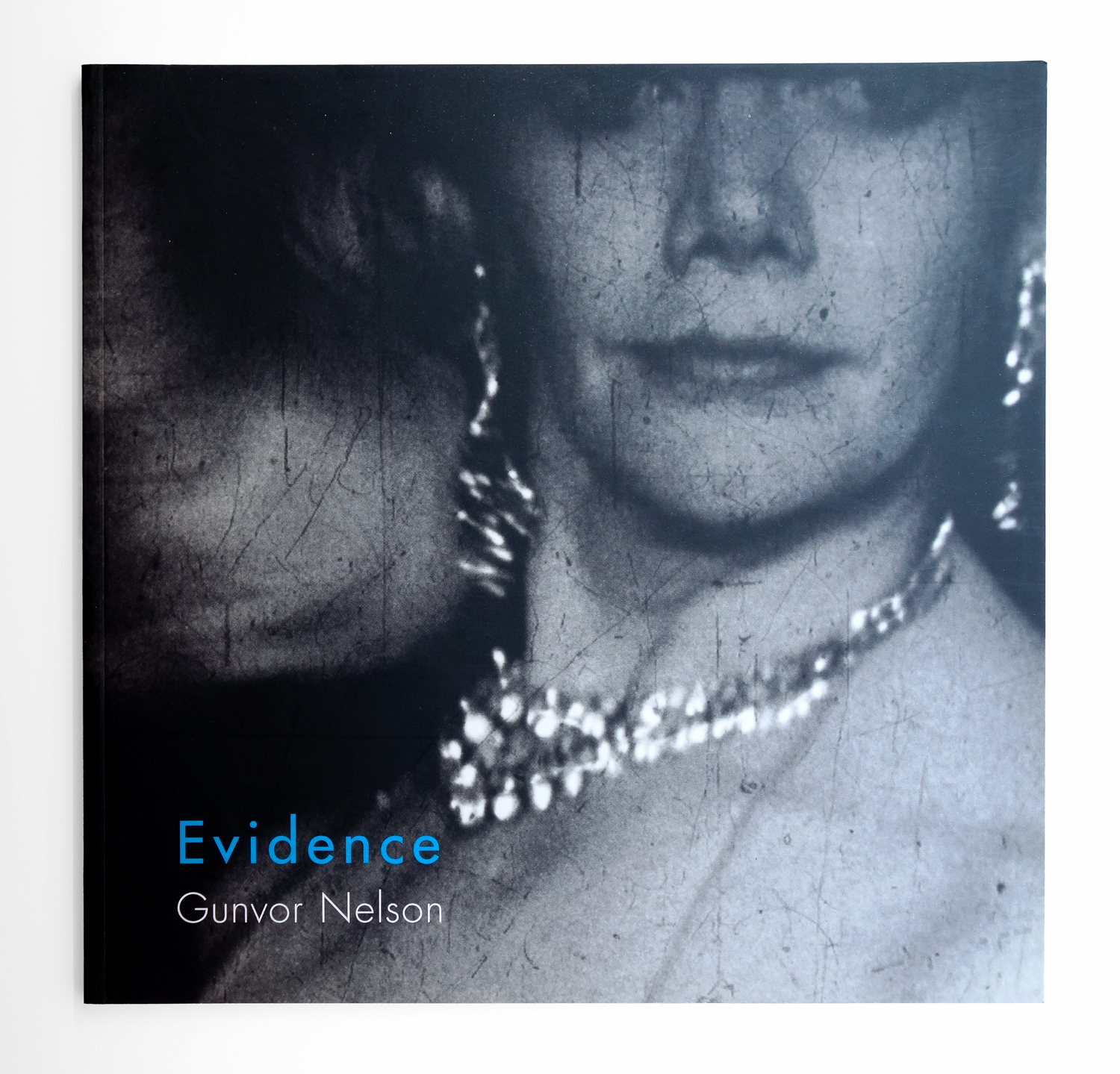
Evidence: Gunvor Nelson
SE: Katalog från Gunvor Nelsons utställning på Moderna Museet i Stockholm, 29/9 – 2/12 2007. Under åren har Gunvor Nelson utvecklat ett högst personligt sätt att filma där inslag av collage varvas med suggestiva landskap skapade av ljud och bild.
Curator: Cecilia Widenheim. Skribenter: Cecilia Widenheim, Sue Anne Moody, Astrid Söderbergh Widding, John Sundholm, Chloë Stewart och Lars Nittve
Why did you leave?: Hillside projects
Hillside Projects: Why Did You Leave?
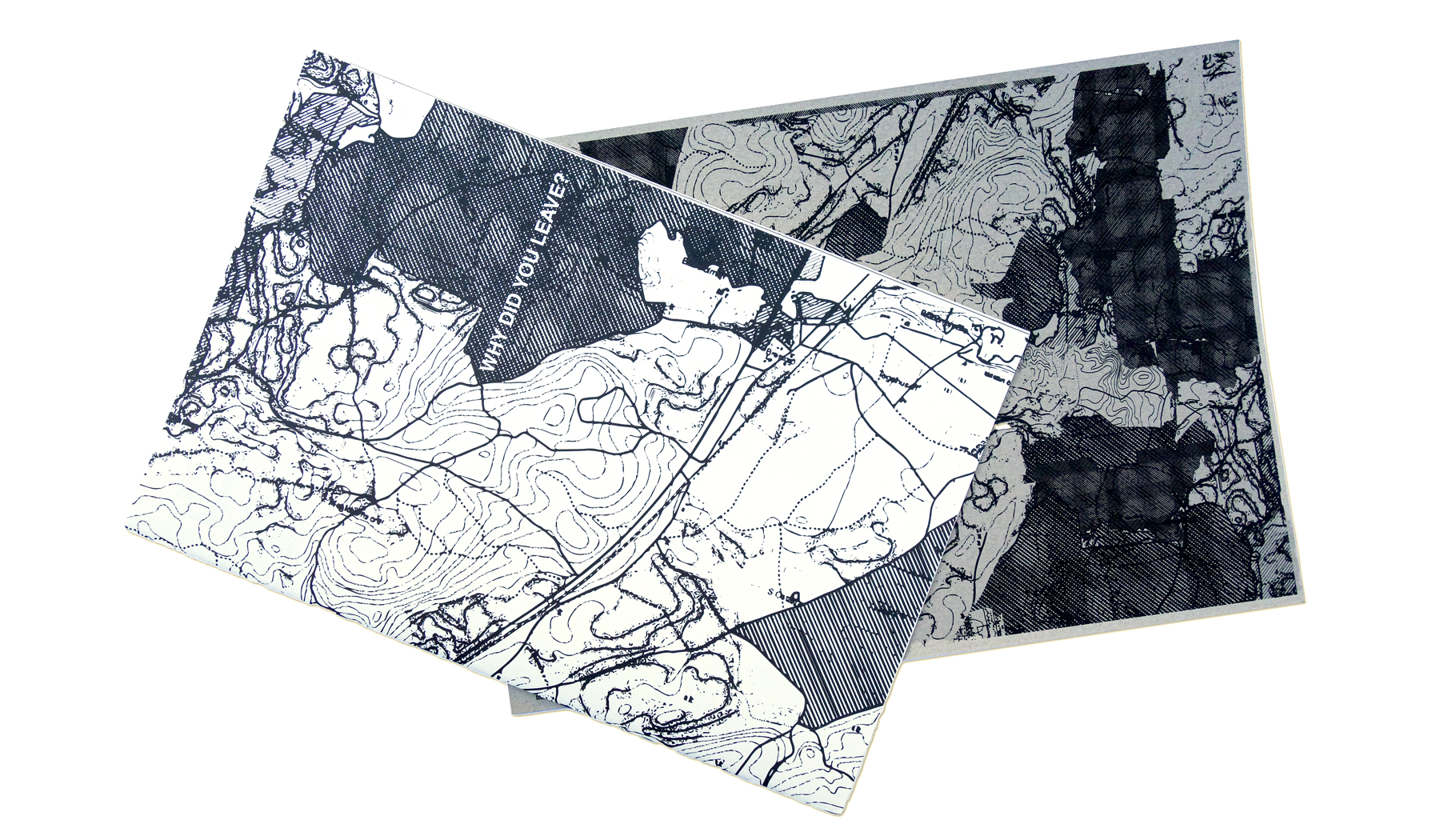
This is a publication made within the framework of 'Searching for the European Roller'. Including archival material, photographs (both found and new), notes and thoughts, the publication begins its journey on Fårö in 1968 and continues through time and space toward southern latitudes in a search for understanding of a bird’s disappearance and departure.
This publication was printed in a limited edition of 100 copies.
IN SWEDISH
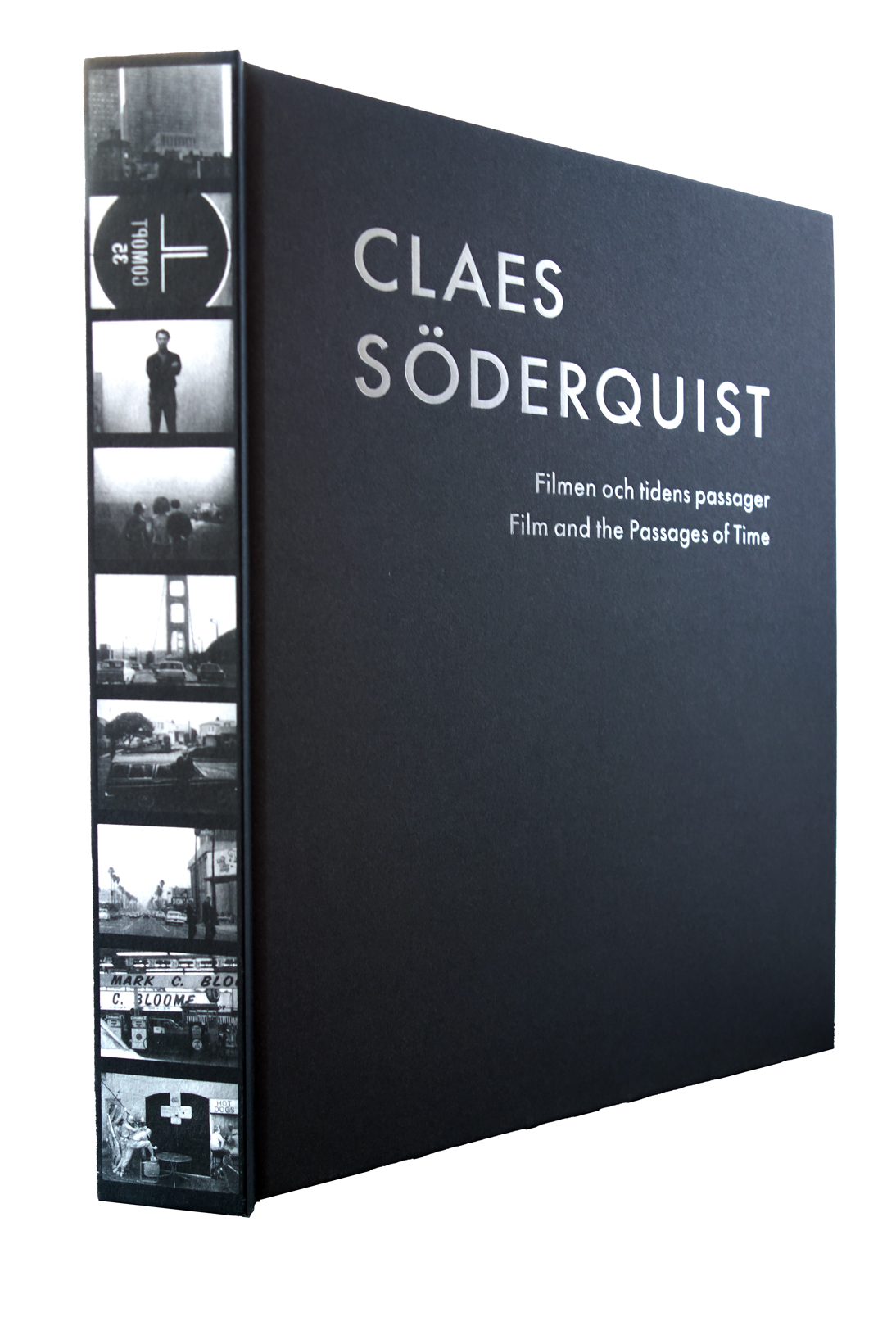
Claes Söderquist, Filmen och tidens passager (Film and the Passages of Time): Martin Grennberger & Daniel A. Swarthnas
Claes Söderquist: Filmen och tidens passager
This book consists of an introduction, two interviews, and texts by Nicky Hamlyn, Chris Kennedy, Masha Matzke, Els van Riel, and Astrid Söderbergh Widding. It also contains extensive visual material.
Claes Söderquist (b. 1939 in Stockholm) is an artist and filmmaker, teacher, curator, art consultant, and long-term driving force and former chairman (1992-2012) of the Filmform Foundation. Söderquist has been active as an experimental filmmaker since the early 1960s. This book about Söderquist has grown through many years of conversations and collaborations, which have also led the editors to curate screenings of his films, both nationally and internationally. A shared interest in the history of experimental film, where Söderquist's own films make a contribution that is unusual in a Swedish context, has led them to discuss Söderquist's work in a broader international context.
Note: This book contains texts in both Swedish and English.
IN SWEDISH
Mårten Nilsson – Greatest Hits
Mårten Nilsson: Greatest Hits
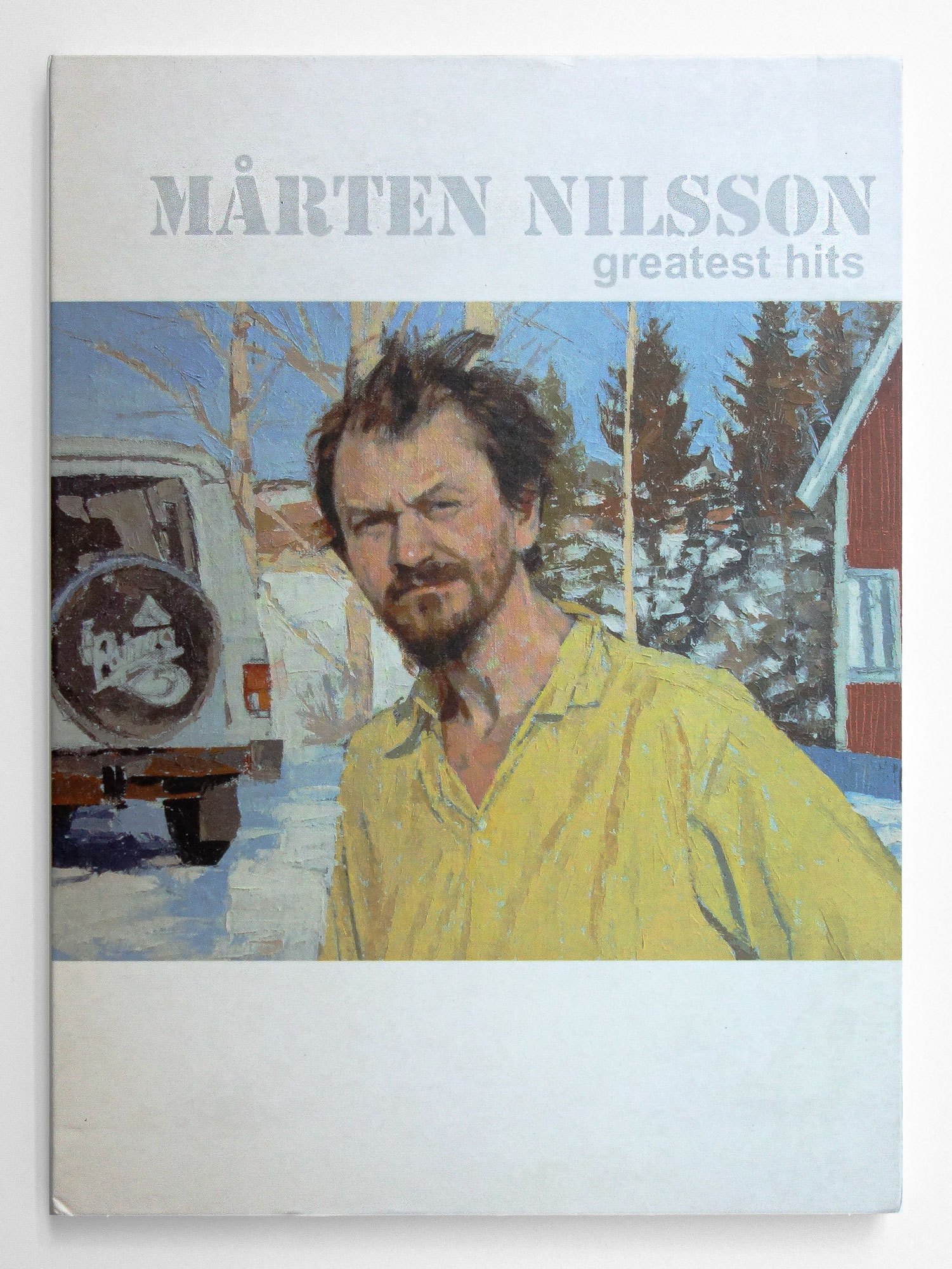
Provoking, entertaining - always disturbing.
This DVD was produced and is distributed by Filmform.
Note: This DVD contains films in Swedish with English subtitles.
Featured titles:
- Tugga terrier, 1989, 4 min.
- Vinsöngkrinöng, 1991, 3 min.
- Den lilla trekanten, 1992, 6 min.
- Antiloper, 1995, 5 min.
- La la la lucha, 1999, 11 min.
- Det är mitt yrke att vara känslig, 2001, 5 min.
- Alla tycker dom som dom vill, 2002, 8 min.
- Rewind, 2003, 5 min. (with Gunilla Heilborn)
- Sportstugan, 2005, 12:22 min. (with Gunilla Heilborn)
- Henrik Vikman jobbar på dagis, 2000, 2 min.
- USA, 2001, 01:45 min.
- Who is Nic?, 2006, 08:17 min.
- Svitjod 2000, 2000, 10:36 min. (with David Flamholc)
- 4 filmer om sport, 1999, 4 min.
- Means of communication 1-4, 2000, 02:19 min.
- More news about Stockholm, Maine, 2006, 02:36 min.
Filmform Tote Bag
Filmform Tote Bag
Cotton tote bag with Filmform logo.
Available in red, green and blue text.
IN SWEDISH
Konst som rörlig bild – från Diagonalsymfonin till Whiteout (Art as Moving Image – From Diagonal Symphony to Whiteout): Astrid Söderbergh Widding
Astrid Söderbergh Widding: Konst som rörlig bild
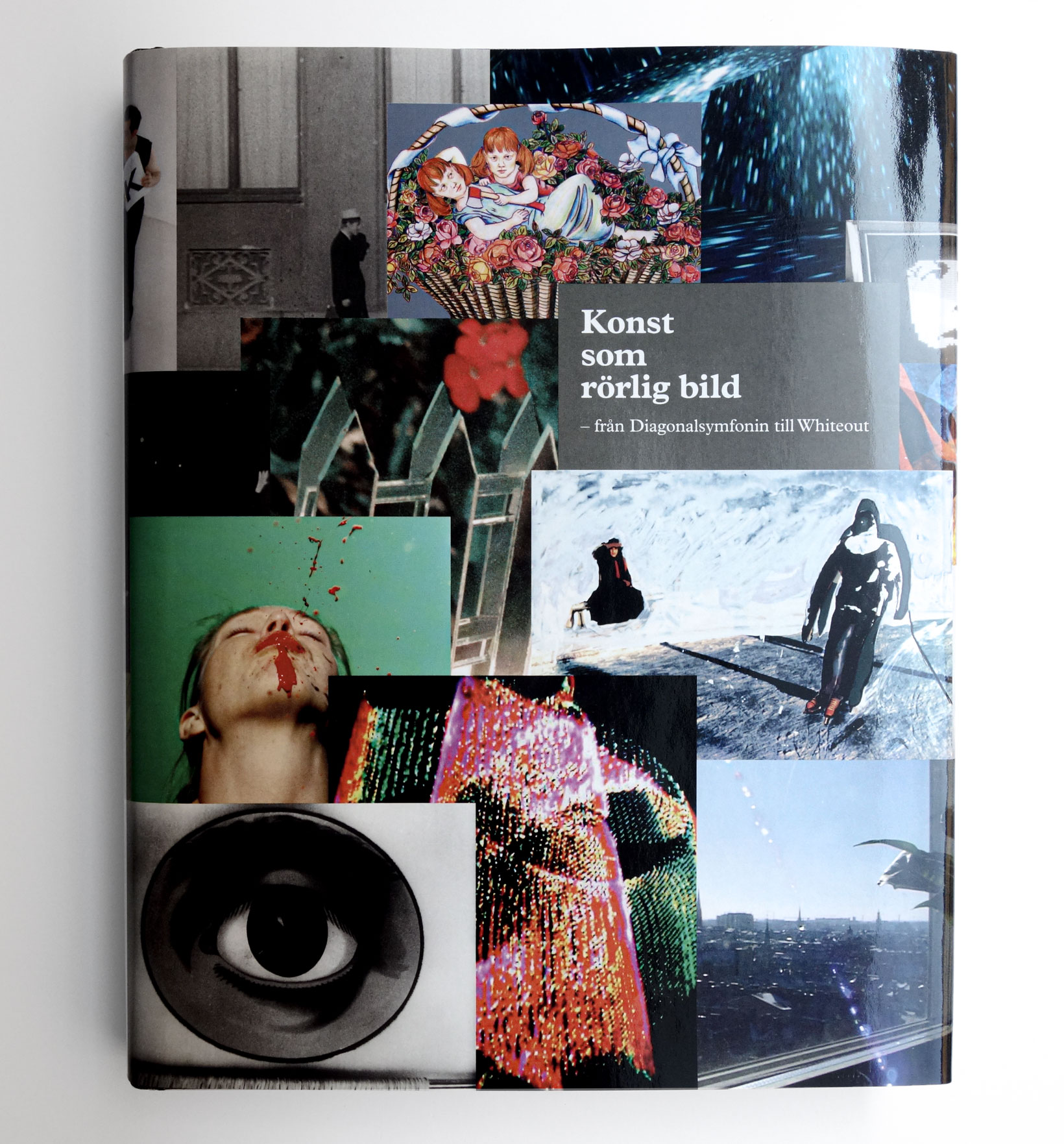
SE: Sveriges Allmänna Konstförenings årsbok 2006 är det första populärvetenskapliga verk som ger en översiktlig bild av den banbrytande experimentfilmen, den digitala konsten och videokonsten från 1924 till idag. Videon och de digitala bildernas explosionsartade utveckling, och förändringen de medfört på den etablerade konstscenen, har skapat ett brett intresse för den rörliga konstens historia. En DVD med 26 fullständiga filmiska verk medföljer boken. I boken möter vi konstnärer och filmmakare som Viking Eggeling, Gunvor Nelson, Arne Sucksdorff, Sture Johannesson, Peter Weiss, Pontus Hultén, Cecilia Edefalk, Ann-Sofi Sidén m fl
Texter av Astrid Söderbergh Widding, Lars Gustaf Andersson, John Sundholm, Gary Svensson, Gunnel Pettersson och Måns Wrange.
IN SWEDISH
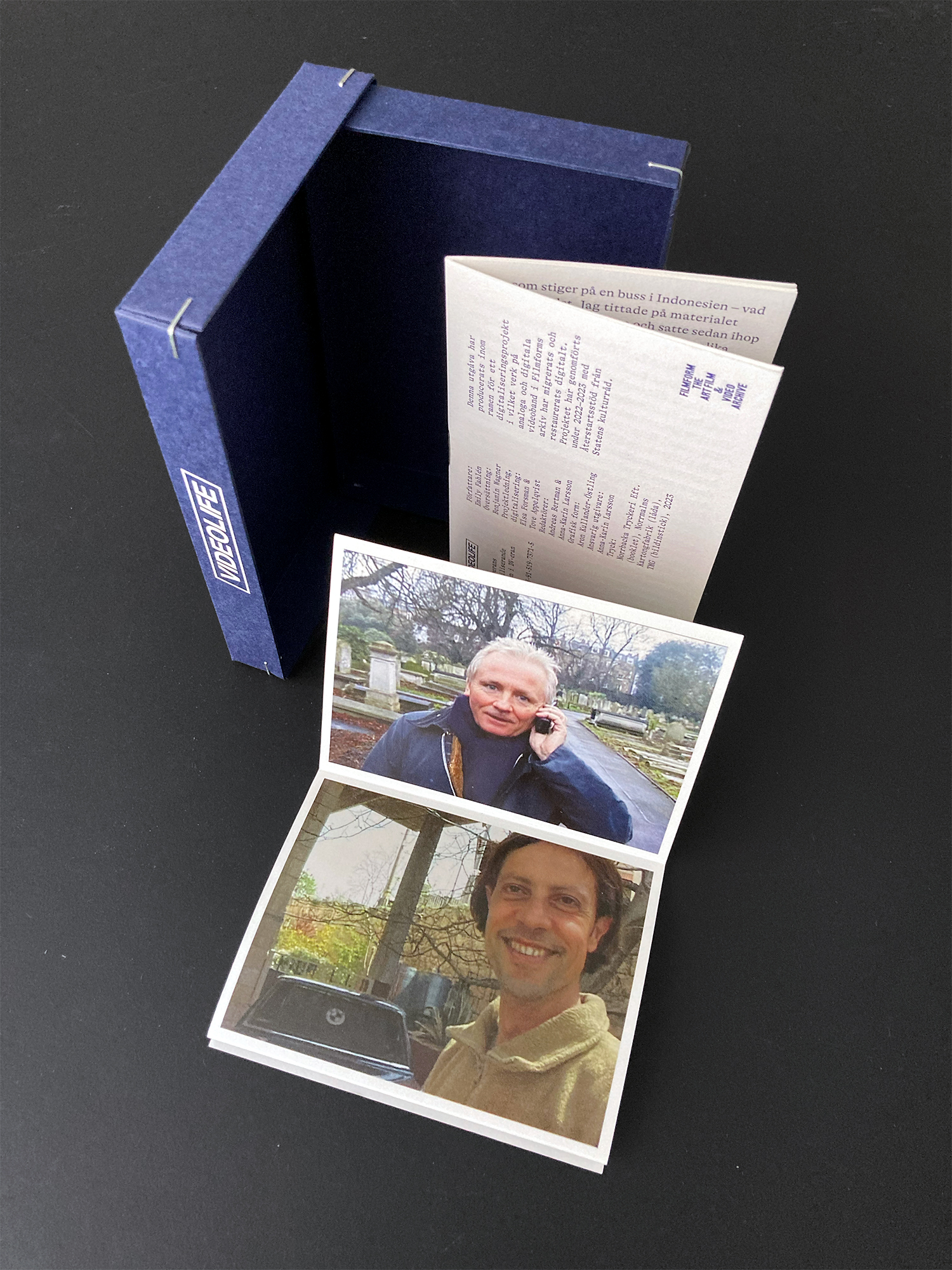
VIDEO LIFE – Om kamerans destabiliserande funktion i DV-eran (On the Camera’s Destabilising Function in the DV-ERA): Emily Fahlén
Booklet and Cover: Video Life
EN: This essay is presented within the framework of an extensive digitisation project in which analogue and digital videotapes in Filmform's archive have been relocated and digitally restored. The project took place from 2022-2023 with Restart support from the Swedish Cultural Council. This essay specifically covers the so-called "DV era", which lasted from the 1990s until the digital shift around 2010. From this rich material, three artists come into focus: Axel Petersén, Annika Ström, and Annika Eriksson. The text moves in a field of tension between the filming artist, the people being filmed, and technology. Supported by the artists' own comments and reflections on their works and processes, it deals with the alternating between dominance and submission.
This essay was written by Emily Fahlén, translated by Benjamin Wagner, and edited by Andreas Bertman and Anna-Karin Larsson. Graphic design was done by Aron Kullander-Östling. Project management and digitisation was done by Elsa Forsman and Tove Appelqvist.
A connecting film programme, Video Life: Performative Realism from the Swedish DV Era 1995-2010 (and a historical exception), curated by Emily Fahlén with an expanded selection of video works connecting to this theme was shown on September 12, 2023, at Filmform.
Note: There are both Swedish and English versions of the essay included.
IN SWEDISH
Filmform 1950–2020
Filmform 1950-2020
SE: Jubileumsantologin Filmform 1950–2020 med fördjupande texter vrider och vänder på Filmforms ständigt växande samling av konstnärers rörliga bilder. I antologin återfinns essäer, återpublicerade artiklar från organisationens långa historia liksom texter över samtliga Filmformpristagare mellan åren 1995-2020.
Medverkande författare: Lars Gustaf Andersson, Dagmar Brunow, Iréne Berggren, Eivor Burbeck, Lena Essling, Emily Fahlén, Martin Grennberger, Rut Hillarp, Lars-Erik Hjertström Lappalainen, Helena Holmberg, Joa Ljungberg, Edi Muka, Monica Nieckels, Björn Norberg, Gunnel Pettersson, Jimmy Pettersson, Ingrid Ryberg, Patrik Sjöberg, John Sundholm, Daniel A. Swarthnas, Malin Wahlberg, Kim West, Cecilia Widenheim och Ashik Zaman.
Form: Aron Kullander-Östling.
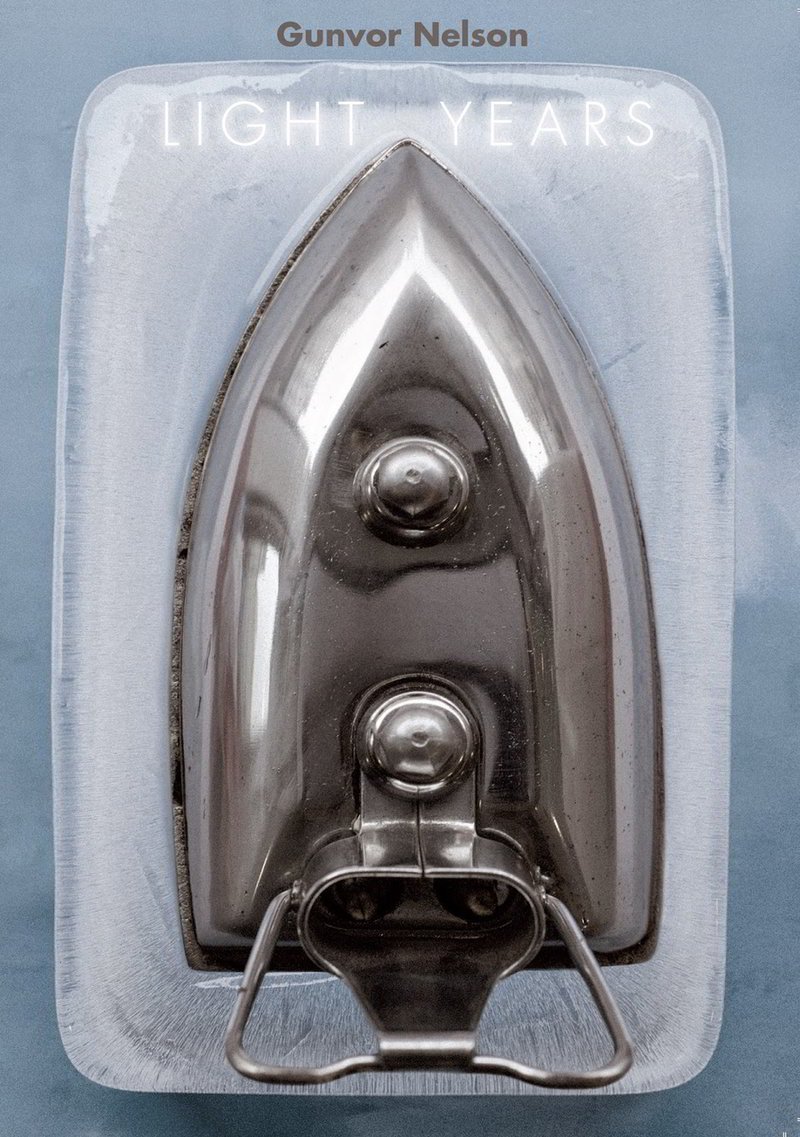
Light Years: Gunvor Nelson
Light Years
A boxset containing a DVD with 4 films by Gunvor Nelson and 'Material Fictions', a booklet by Julie Savelli.
Note: This DVD contains works in English with French subtitles.
Featured titles:
FOG PUMA 1967, 23 min. (Nelson/Wiley)
FRAME LINE 1983-2014, 22 min.
LIGHT YEARS 1987, 25 min.
BEFORE NEED REDRESSED 1994, 40 min. (Nelson/Wiley)
The Swedish-American artist Gunvor Nelson figures among the most important experimental filmmakers of her generation. Her work considerably influenced the New American Cinema at the end of the 1960s, as much by its themes (women, the body, memory, dreams) as by its formal investigations (animation, collage, found footage). The films and the essay contained in this box set reflect a half-century of evolution in media and technique. From her first experimental films made in California to her more recent Swedish films and video, material fictions joyously exalt in a firework of sensations.
The booklet consists of interviews and critical articles by Julie Savelli, lecturer in film studies at the University of Montpellier.
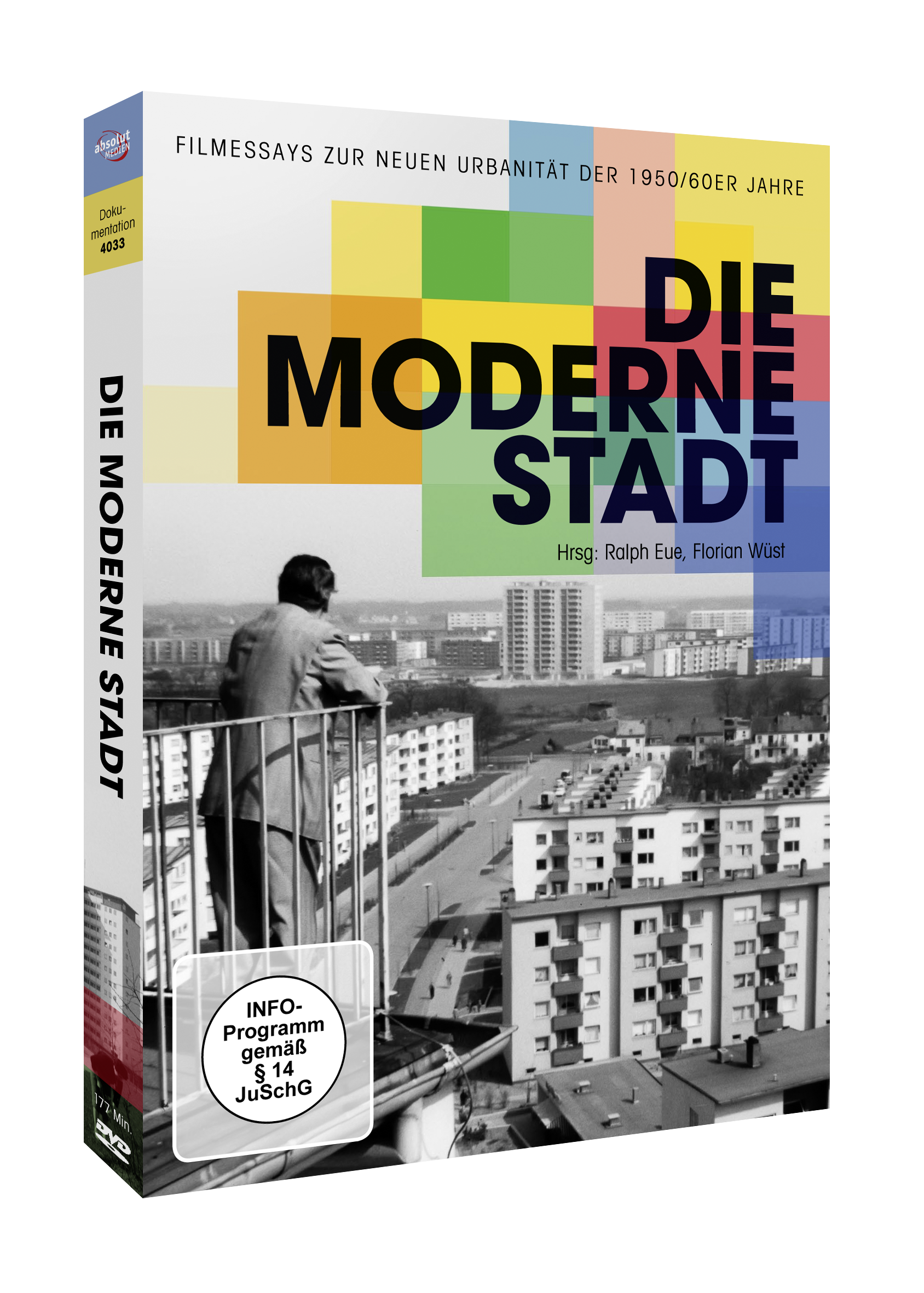
Die moderne Stadt: Film essays on the new urbanity of the 1950s and 60s. Edited by Ralph Eue and Florian Wüst
Die moderne Stadt
In keeping with the "Neues Bauen" of the 1920s, the modernisation of the European metropolis after 1945 aimed to create better living conditions for the working population. Housing space was in short supply everywhere. Industrial mass production and consumer culture confronted people and their social relationships with enormous changes. The medium of film served as a means both to promote the urban and transportation models "of tomorrow", and to lend expression to critiques of the rationalisation of everyday life. This selection of documentary and experimental short films offers a unique historical glimpse into the controversy over the modern city.
Featured titles:
– Pontus Hultén & Hans Nordenström, 'En dag i staden' (A Day in the City), 1956, Sweden, 19 min.
– Rudi Hornecker, 'Für einen Platz an der Sonne' (For a Place in the Sun), 1959, West Germany, 10 min.
– Herbert Vesely, 'Die Stadt' (The City), 1960, West Germany, 36 min.
– Dieter Lemmel, 'Bau 60' (Building 60), 1961, West Germany, 12 min.
– Peter Weiss, 'Bag de ens facader' (Behind the Same Façades), 1961, Denmark, 27 min.
– Manfred Durniok, 'Die gemordete Stadt' (The Murdered City), 1965, West Germany, 40 min.
– Bonus: Maximilian von Goldbeck & Erich Kotzer, 'Die Stadt von Morgen – Ein Film vom Städtebau' (The City of Tomorrow: A Film on City Planning), 1930, Germany, 33 min.
This DVD was made in cooperation with the Goethe-Institut and KW Institute for Contemporary Art and was supported by the Danish Film Institute, Deutsche Kinemathek, and Filmform.
Note: Includes works in German, Danish, and Swedish with subtitles in German, English, French, and Spanish. Includes a booklet in German.
Call to Mind: Gunvor Nelson
Call to Mind
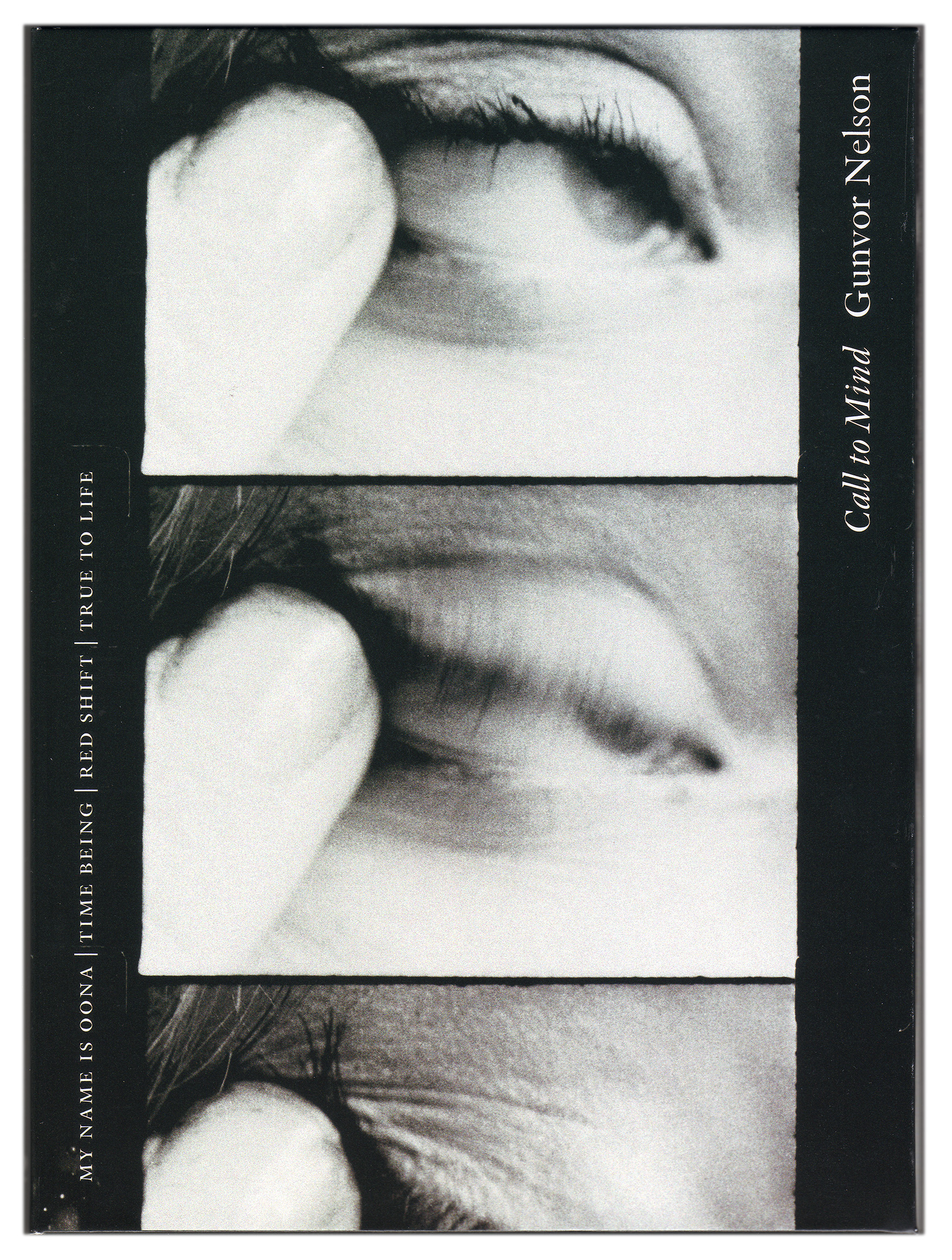
EN: This Blu-ray DVD released by Filmform contains four works by artist and experimental filmmaker Gunvor Nelson, as well as an accompanying catalogue with texts by Astrid Söderbergh Widding, Susanne Skog, Steve Anker, and John Sundholm.
'Call to Mind' contains the films 'MY NAME IS OONA' (1969), 'TIME BEING' (1991), and 'RED SHIFT' (1984), a trilogy with the theme of family. 'TRUE TO LIFE' (2006) serves as a standalone commentary on the trilogy. Gunvor Nelson's works have been shown at Moderna Museet in Stockholm, MoMA in New York City, and other prestigious institutions, cinematheques, and festivals. Nelson (1931-2025) created around thirty films and video works over the years, many of which are in Filmform's distribution catalogue.
Note: The films in this DVD contain English dialogue.
IN SWEDISH
Die Filme (The Films): Peter Weiss
Peter Weiss: Die Filme
SE: På 50-talet gjorde Peter Weiss tolv kort- och två långfilmer. De utgör en historisk fond för författarens eget språk, präglat av ett nervöst sökande efter nya uttrycksformer från måleri mot litteratur. Weiss experimenterar mellan genrer, han utforskar avantgardets gränser, växlar mellan psykoanalytiska speglingar och socialt intresse, mellan surrealistiskt collage och engagerad realism. Vid slutet av detta sökande väntar avskedet från filmen och författarens blixtsnabba utveckling mot en av Tysklands viktigaste intellektuella. Med pjäserna “Die Ermittlung” och “Viet Nam Diskurs” gav han upphov till skandaler som siktade på en förändring av samhället. Den utgivna volymen erbjuder ett urval filmer som kommenteras av Harun Farocki.
Utvalde titlar:
– 'Studie I / Uppvaknandet', 16mm, B/W, 6 min, 1952
– 'Studie II / Hallucinationer', 16mm, B/W, 5 min, 1952
– 'Studie III', 16 mm, B/W, 5 min, 1953
– 'Studie IV / Frigörelse', 16mm, B/W, 8:18 min, 1954
– 'Studie V / Växelspel', 16mm, B/W, 8:14 min, 1955
– 'Enligt lag', 16mm, B/W, 20 min, 1957
– 'Ingenting ovanligt', 16mm, B/W, 9 min, 1957
– 'Vad ska vi göra nu då', 16mm, B/W, 20 min, 1958
– 'Ansikten i skugga', 16mm, B/W, 13 min, 1956
Bonus material: Introduktion och intervju av Harun Farocki, Tyskland (1981)
Inklusive booklet är på tyska. Filmer är på svenska och tyska med tyska undertexter.
Last Supper: Bigert & Bergström
Last Supper
This DVD includes a documentary film by Bigert & Bergström on the history of the practice of allowing prisoners who are about to be executed to have a final meal of their choosing. It comes in a specially designed metal container, accompanied by a 40-page booklet.
The last supper has been given to prisoners facing the death penalty as long as the punishment has existed. The tradition stems from funeral rites where the deceased person was given food on his deathbed to protect him on his journey to the afterlife. Today, the ritual of giving the last supper to the condemned person has been detached from its origin, and can be perceived to be as absurd as the punishment it accompanies. Mats Bigert and Lars Bergström's film 'Last Supper' focuses on the discrepancy between historical meaning and contemporary use of a tradition that has lost its connection with the past. The film mixes documentary material with sculptural installations and animated graphics. The main character is the former death row chef Brian Price, who reconstructs one of the 200 final meals that he prepared during his time as an inmate in Huntsville State Prison in Texas. The film was shot during 2004 in the United States, Philippines, Thailand, Japan, Kenya, South Africa and Sweden.
Note: The film is in English with Swedish subtitles.
IN SWEDISH
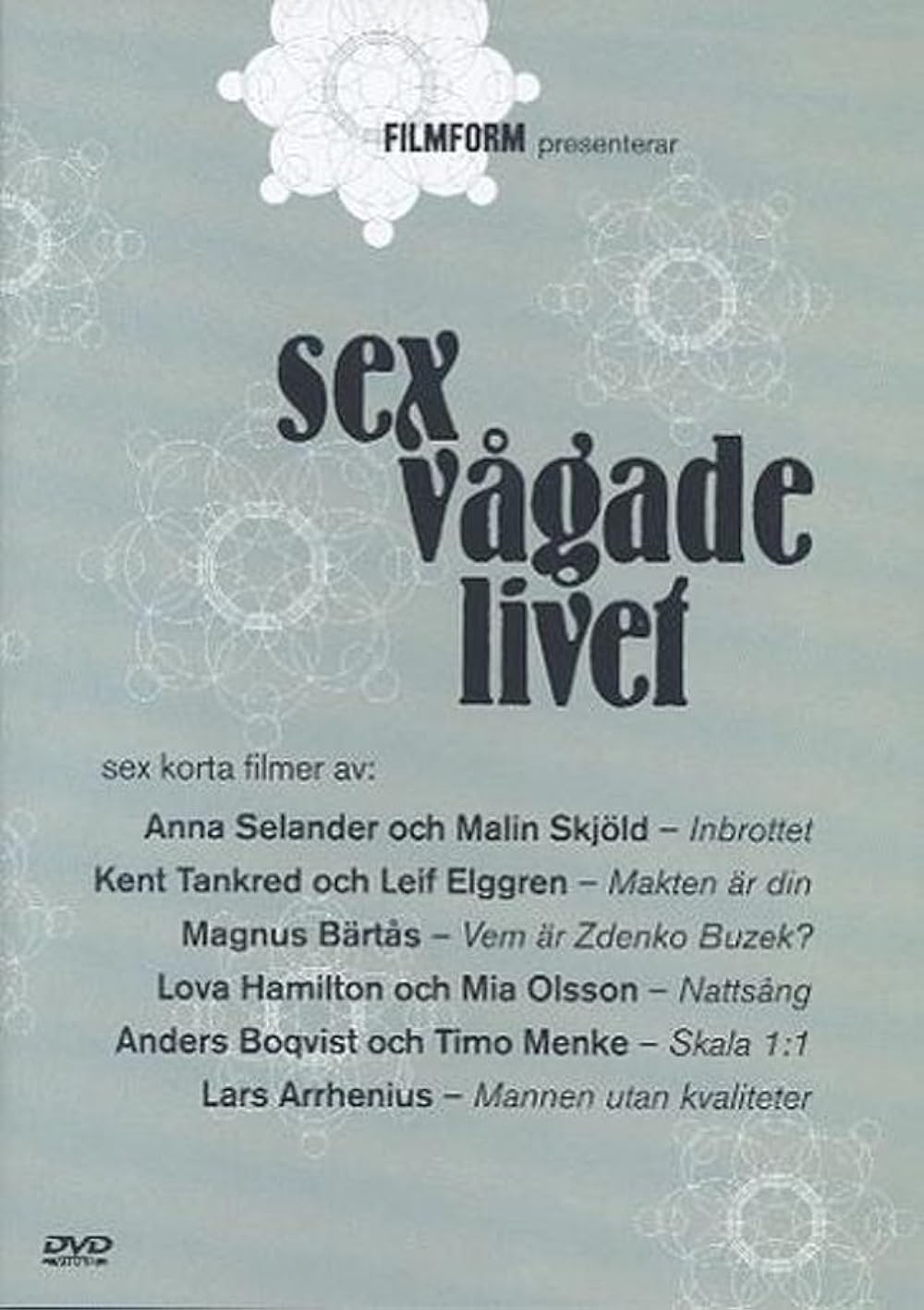
Sex vågade livet (The Magnificent Six)
EN: A short film project at the intersection of film art, video art, and art film. This project aimed to spread artists' films in classic film settings. The films were shown in 2003 at the Gothenburg Film Festival, Nordisk Panorama, Zita Folkets Bio, SVT, and released on DVD.
'Sex Vågade Livet' includes the films 'Inbrottet' by Anna Selander and Malin Skjöld, 'Makten är din' by Kent Tankred and Leif Elggren, 'Vem är Zdenko Buzek?' by Magnus Bärtås, 'Nattsång' by Lova Hamilton and Mia Olsson, 'Skala 1:1' by Anders Boqvist and Timo Menke, and 'Mannen utan kualiteter' by Lars Arrhenius.
The films in 'Sex Vågade Livet' are very diverse, spanning areas like animation, documentary, and feature film. 'Sex Vågade Livet' was produced by Filmform with support from Framtidens Kultur, the Swedish Film Institute, and Sweden's Television/Documentary/Short Film.
Note: The films are in Swedish with English subtitles.
Producer: Anna-Karin Larsson
Press Information: Anna Linder
Film Consultant: Jesper Bergom-Larsson (Swedish Film Institute), Ulla Nilsson (Swedish Television)
Lighting Designer: Jan-Olof Lundberg
Mixing: Lars Helander, Bo Wargentin
Graphic Design: Josefin Herolf
Vignette: Mariusz Freckiewicz
Translator: William Jewson