Filmform (est. 1950) is dedicated to preservation, promotion and worldwide distribution of experimental film and video art. Constantly expanding, the distribution catalogue spans from 1924 to the present, including works by Sweden’s most prominent artists and filmmakers, available to rent for public screenings and exhibitions as well as for educational purposes.
A film, consisting of two reels of film, for two unsynchronized projectors that had its first screening at the Situationist-Anarchist Film Festival in Halmstad. A study in distortion, filmed in various locations in Scandinavia. Sound editing by Carl Slättne based on music recorded by Jan Bark and Folke Rabe at a music festival in Juveskulä in Finland.
Amen eller Relations (Carl Slättne, 1964) has been photochemically preserved by the Swedish Film Institute. Access to the original 16mm colour reversal positives and the 16mm magnetic sound was provided by the National Libraries of Sweden/ Kungliga Biblioteket and were used as source material for making new preservation elements and new 16mm viewing prints. The restoration work has been carried out at Haghefilm Digitaal (Netherlands) in 2024.
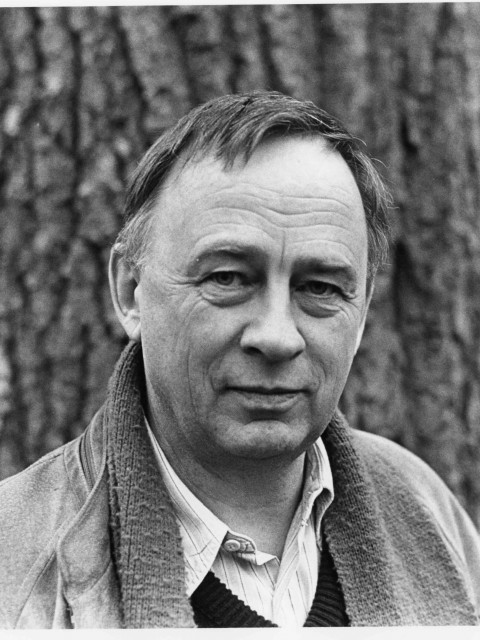
Carl Slättne (1937–2015) is a truly original innovator of Swedish documentary film, a constantly experimental artist who did not allow himself to be classified into traditional genres. A Film – An Antifilm – A FilmFilm (1965) scourges the contemporary media establishment, a theme that recurs in Slättne’s films, but is also a philosophical meditation over of the ontology of film art. During the 1960s, he continued to make several experimental short films, mainly for TV, but later became known primarily for developing the political documentary. Indefatigable he examined the relationship between the city and the countryside, between the center and the periphery, between the privileged and the vulnerable, often with the starting point in rural Skåne. He perfected his own form of intellectual montage, where his own and others’ footage were joined together, and where the images play out against an ironic commentary. Together with his wife Karin, he also made a number of low-key but form-conscious short films that, among other things, document Skåne’s industrial history.