Using the pine tree as a metaphor and through a photographic lens, the video essay Burn / Raking Light examines the transience of nature, photography, and our own existence.
Dead pine trees, ”silver pine trees”, can remain upright, anchored by their roots for centuries after death, providing a habitat for about half of all red-listed species in Swedish forests. However, in contemporary plantation forests dead wood is cleared away, which is devastating for ecosystems and the environment.
We use the dry pine trees as a metaphor for photography and raise questions about the forest industry and the absence of death in modern industrial forests. In the second part of the video essay we draw an association to Sokushinbutsu — an ascetic Buddhist tradition in northern Japan where monks, from the 12th century onward, practice a ritual and diet based partly on resin to mummify themselves from the inside. The goal is to become a “Buddha in one’s own body”.
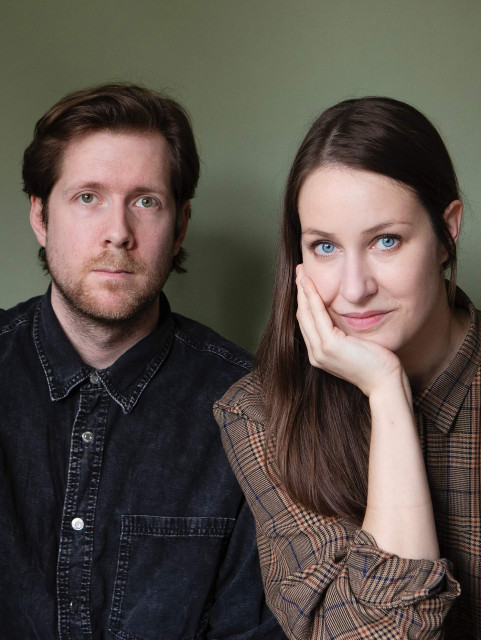
“Weronika Bela and Ivar Hagren collaborate as Hagren/Bela. They primarily work with analog black and white photography, utilizing both traditional and experimental techniques, alongside mediums such as drawing, video and spatial installation. In several works they take on a more-than-human perspective on plants and trees that, like the photographic apparatus, function as a light-sensitive medium. The works Silver pine trees (2025) as well as the films Burn and Raking Light (2025) involve the organic photosynthesis of plants and the organizing photography of the camera, an artistic symbiosis that expands our understanding of both. The seemingly dead tree and the mummified monk live on and at the same time die through the photograph as a transparent medium.”
– A Field Guide to the Dark Flora, Timo Menke
Rent this work for public screenings